Translations
Languages carry memory. Translation lets it travel.
Dhaar recovers, translates, contextualises, and circulates texts across the linguistic worlds of Azad Jammu & Kashmir and beyond. The programme works in two directions: bringing regional texts into wider scholarly circulation and making important literature and thought accessible in regional languages.
Original text remains visible. Translation is never a silent substitute.
Archive note
No public translations are available yet.
Dhaar’s translation programme will publish recovered regional texts and carefully reviewed translations across Pahari/Pothwari, Koshur, Urdu, Punjabi, Persian/Farsi, Gojri, English, and other relevant languages. If you know of an undigitised text or would like to contribute as a translator or reviewer, propose a translation.
Regional languages → English
From the Region
Recovering and translating poetry, memoirs, letters, political writing, newspapers, periodicals, historical documents, essays, oral narratives, literary works, pamphlets, diaries, and other material from AJK and its wider linguistic worlds. Particular attention may be given to undigitised, unpublished, out-of-print, privately held, or difficult-to-access texts.
International literature and thought → Urdu / Pahari-Pothwari / Koshur / other regional languages
Into the Region
Making significant works of literature, criticism, anticolonial and postcolonial thought, Marxist traditions, feminism, modernism, literary criticism, political philosophy, and related fields more accessible to readers in regional languages. Any publication of protected works depends on copyright status, permissions, and translation rights.
Sub-project
Recovered Texts
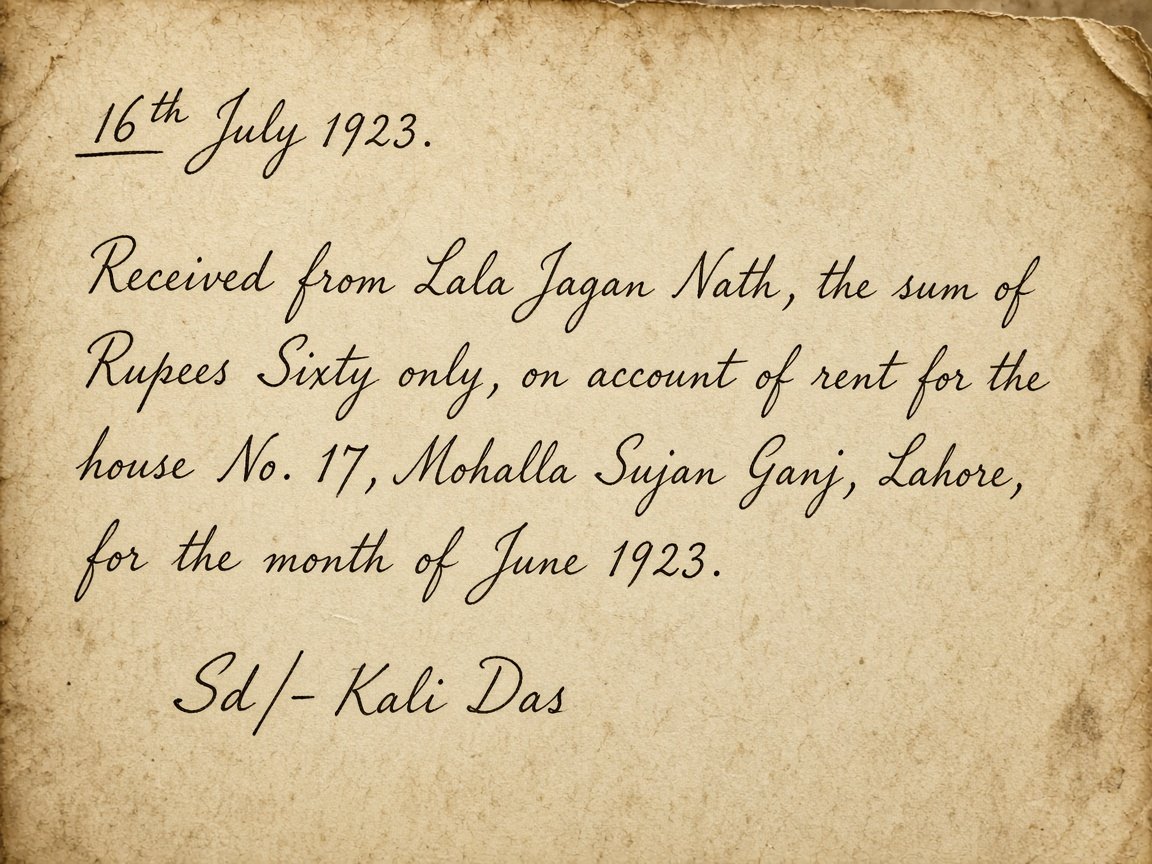
A designed source object: facsimile, transcription, transliteration, translation, translator’s note, context, provenance, rights, and citation — published only when real material is ready.
No recovered text is public yet. When one is published, desktop readers will see side-by-side original and translation; mobile will switch between versions.
Languages of the Archive
One language is not one script
Dedicated language pages will explain names, scripts, regional varieties, historical use in the archive, and translation conventions as real notes are ready.
Pahari/Pothwari
Shahmukhi / Perso-Arabic · Roman transliteration where useful
کٲشُر
Koshur (Kashmiri)
Perso-Arabic · Sharada historically · Roman transliteration where useful
اردو
Urdu
Nastaliq / Perso-Arabic · Roman transliteration where useful
پنجابی
Punjabi
Shahmukhi · Gurmukhi where sources use it · Roman transliteration where useful
فارسی
Persian/Farsi
Perso-Arabic · Roman transliteration where useful
Gojri
Perso-Arabic where used · Roman transliteration where useful
Translator’s Notes
Translators get a visible scholarly note area for difficult terminology, dialect choices, variant readings, untranslatable expressions, script choices, orthography, ambiguities, damaged manuscripts, and historical meanings. Notes travel with the translation — they are not buried in footnotes alone.
Translation Standards & Rights
Dhaar identifies the source text and source edition where known, credits translators and reviewers, distinguishes public-domain material from licensed or permission-based publication, and does not treat translation as a transparent or neutral substitution for the original. Original-language text remains visible whenever rights and preservation conditions allow.
Propose a Translation
Submissions are reviewed; nothing publishes automatically. Choose the pathway that fits — or describe your proposal on Contribute.