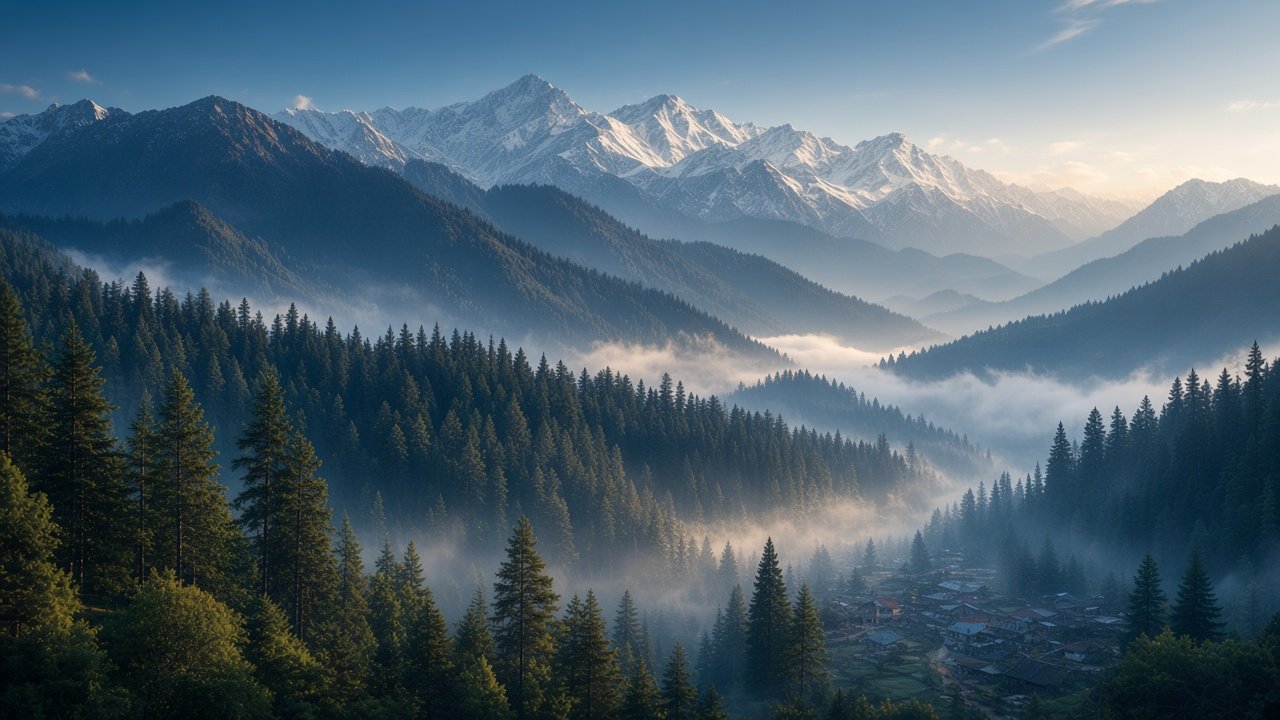
An archive for people, places, and possibilities
Preserving the record of Azad Jammu & Kashmir.
Dhaar is an independent public archive and research platform documenting the history, politics, institutions, movements, communities, environment, culture, and everyday life of Azad Jammu & Kashmir.
Mountains hold memories.
We help them endure.
دھار
Dhār
A ridge. A current.
A continuing line.
What is Dhaar?
Dhaar is a digital home for the records of Azad Jammu & Kashmir. It brings together documents, photographs, maps, oral histories, research, translations, and other materials that help preserve and interpret Kashmir’s past and present.
The word dhār, in regional usage, denotes a ridge, a mountain edge, and a line of movement or flow. In the context of Kashmir, the name speaks to both landscape and continuity: the mountain line, the mountain of memory, and the living thread that connects people, place, and history.
How Dhaar works
-
Collect
Gather documents, images, oral histories, maps, publications, testimony, media, and other records from communities, researchers, public sources, institutions, field research, and contributors.
-
Contextualise
Add dates, places, people, organisations, chronology, source notes, related records, and historical context so material can be understood rather than merely stored.
-
Verify
Assess and compare sources, document the evidentiary basis of a record, and show verification status openly rather than hiding uncertainty.
-
Preserve
Maintain archival copies, metadata, stable record identifiers, and revision history so material remains usable over time.
-
Share
Make appropriate material discoverable through the Archive, Collections, Research, Translations, Maps & Data, and Understanding AJK.
Submissions do not publish automatically; each contribution is reviewed. Extremely sensitive material should not be sent through an ordinary web form. Sensitive materials guidance.
Recently Added to the Archive
View all recent additions →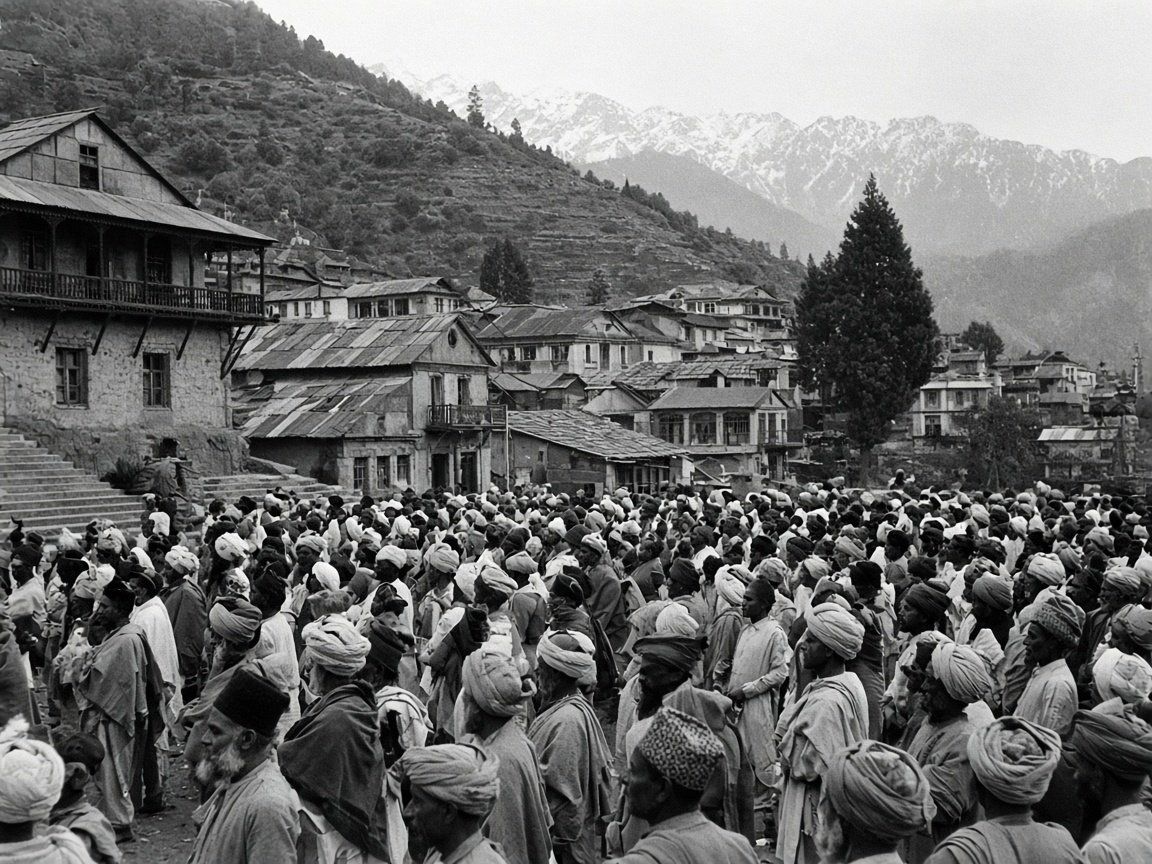
This is test event by contributor or researcher
15 Aug 2026 · Kotli
This is test event by contributor or researcher for summery purpose
Rawalakot Sit-in — June 2026
14 Jun 2026 · Rawalakot
Multi-day sit-in in Rawalakot associated with JAAC mobilisation in contemporaneous accounts.
Communication restrictions period — documentation marker
12 May 2025 · Muzaffarabad
Marker for a reported period of communication or mobility restrictions affecting documentation and reporting.
Post-mobilisation documentation window — archive note
01 Jul 2026 · Muzaffarabad
Editorial marker for the period when Dhār gathers sources, rights clearances, and corrections for the JAAC col...
Explore by record type
Every entry is a structured archival record — not a blog post — with metadata, sources, and verification status.
Events
Protests, elections, court decisions, disasters, and public meetings.
Documents
Acts, ordinances, petitions, and other primary texts.
Visual Archive
Photographs, maps, artwork, and multimedia records.
People
Public figures, organisers, and community members.
Places
Districts, towns, institutions, and sites.
Organisations
Political parties, associations, institutions, movements, and civil-society groups.
Featured collection
The JAAC Movement
Flagship launch collection documenting the Joint Awami Action Committee movement: origins, demands, timeline, negotiations, sit-ins, state response, elections, communications restrictions, documents, and public responses.
- Last updated
- 18 Sep 2026
3
Events
3 Events — chronology & documented incidents
1
Documents
1 Documents — statements, notices & primary records
Understanding AJK
Context for a deeper understanding.
Explore key topics, timelines, and resources to understand the historical, political, geographical, and cultural context of Azad Jammu & Kashmir.
Maps & Data
Maps, Timelines & Infographics
A static, sourced preview of how maps and timelines situate AJK’s districts, movements, and chronology. Every visualisation published here states source, data period, last update, methodology, and limits.
View static previewSourced static preview
Open the Maps & Data page for methodology notes, disclaimers, and links into Event and Place records.
Research & Publications
Reports, essays, bibliographies, interviews, and the bulletin
Translations
Languages carry memory. Translation lets it travel.
Dhaar recovers, translates, and circulates texts across the linguistic worlds of Azad Jammu & Kashmir — from the region into wider scholarly circulation, and into regional languages.
No public translations are available yet. When they appear, original-language text will remain visible whenever rights allow.
Languages of the Archive
Languages of the ArchiveVisual Archive
Visual Archive
An archival catalogue, not a gallery: date, place, creator, rights, verification, and a stable identifier sit with each still. Click an image to open the record.
Archive note
Rights-cleared visuals are not public yet.
Photographs and artworks will appear here as contact sheets once captions, credit, consent, and verification review are complete.
Contribute
Help preserve the record.
Share a document, photograph, artwork, testimony, correction, or research proposal. All submissions are reviewed for relevance, evidence, rights, ethics, and safety before publication.
Contribute- Documents and images
- Testimony and oral-history proposals
- Corrections and updates
- Research pitches and volunteer offers
Nothing publishes automatically. Ordinary web forms are not a secure channel for extremely sensitive evidence. See Sensitive Materials.